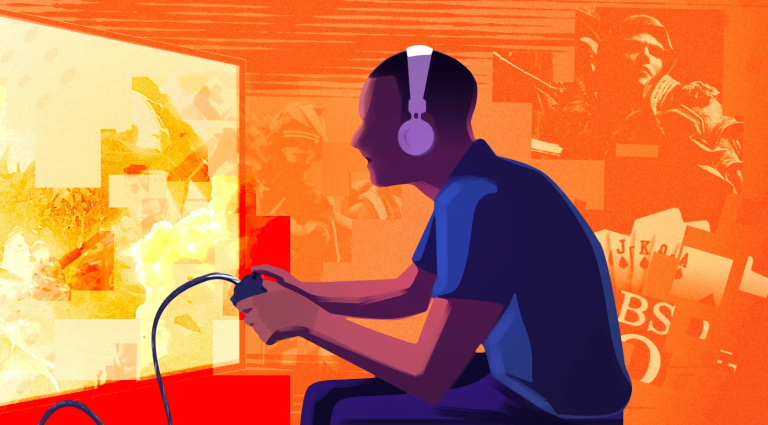
ADDitude published a new report detailing the main warning signs of video game addiction. The article highlights key risk factors and explains how this issue connects directly to ADHD. Understanding these signs helps players and parents spot problematic habits early.
What is video game addiction?
Video game addiction happens when playing games starts to mess up a person's daily routine, schoolwork, or sleep. People dealing with this issue often feel like they cannot stop playing, even when they know it is causing real problems in their lives. It affects how people manage their time, stay focused on important tasks, and interact with friends and family.
Experts often compare this habit to a broader behavioral addiction where a routine becomes hard to break. Over time, spending too many hours in front of a screen can change how someone handles stress and daily responsibility. Recognizing the early warning signs allows families to build better habits before the routine gets out of control.
What are the main warning signs of video game addiction?
Identifying the symptoms early is the best way to prevent long term issues with screen time. Players might show specific changes in their daily behavior, moods, and social activities when gaming takes over.
- Loss of control: Finding it hard to limit playing time or stop when asked.
- Ignoring daily tasks: Skipping homework, chores, or basic personal care to keep playing.
- Mood changes: Becoming easily upset, angry, or anxious when away from the game.
- Hiding habits: Lying to family members about how much time is spent online.
How does ADHD relate to video game addiction?
The report from ADDitude focuses heavily on the link between video game addiction and ADHD. Individuals with ADHD often look for fast feedback, bright visuals, and constant action. Games are designed to give quick rewards, which can make them extra appealing to brains that naturally struggle with attention and focus.
Because games provide a constant stream of fun goals, people with ADHD can easily lose track of time. This makes it much harder for them to step away from the controller compared to other players. Knowing this link helps parents create clearer screen rules tailored to their child's unique needs.
What should players and parents watch for next?
As gaming technology improves, keeping an eye on healthy screen limits becomes more important for every household. Setting clear schedules, taking regular breaks, and planning offline activities can keep gaming fun without letting it dominate everyday life. Watching for sudden drops in grades or changes in sleep patterns is also a great step.
Learning about the risk factors gives families the tools they need to stay safe and balanced. By addressing the connections to ADHD early, readers can help their loved ones enjoy their favorite games while maintaining a healthy, real-world lifestyle.
Comments
Post a Comment